

Joint inflammation can make ordinary activities—walking, climbing stairs, opening jars, or getting comfortable at night—more difficult. Natural approaches may help reduce pain, improve movement, and support overall health, but the right strategy depends on the cause of the inflammation.
Arthritis is not one condition. Osteoarthritis, rheumatoid arthritis, gout, bursitis, tendon problems, and injuries can all produce pain or swelling. A plan that is reasonable for mild osteoarthritis may be inadequate—or unsafe—for an autoimmune condition or an infected joint.
What does “joint inflammation” actually mean?
Joint inflammation may cause swelling, warmth, stiffness, tenderness, or reduced range of motion. Osteoarthritis often produces pain with activity and stiffness after rest, while rheumatoid arthritis may cause prolonged morning stiffness and swelling in multiple joints. Gout commonly causes sudden, intense pain and swelling in one joint, often the big toe. ([niams.nih.gov](https://www.niams.nih.gov/health-topics/osteoarthritis?utm_source=openai))
Not every sore joint is actively inflamed. Pain can also result from muscle weakness, altered movement, nerve irritation, cartilage changes, or a previous injury. Identifying the pattern matters before choosing supplements, exercises, or hands-on care.
Can gentle movement reduce inflammation?
Yes. Regular, joint-friendly activity can reduce pain, improve function, and support mood. Avoiding movement completely often leads to greater stiffness and weakness, which may make daily activities harder. The Centers for Disease Control and Prevention recommends gradually working toward aerobic activity and muscle strengthening, but even five- or ten-minute periods can be useful when longer sessions are difficult. ([cdc.gov](https://www.cdc.gov/arthritis/prevention/index.html?utm_source=openai))
Useful options may include:
- Walking on level surfaces
- Cycling with comfortable resistance
- Water exercise
- Light gardening
- Tai chi
- Gentle range-of-motion exercises
- Resistance-band or body-weight strengthening
During colder months, icy sidewalks, snow removal, and reduced daylight can make outdoor activity less appealing for local residents. Indoor walking, stationary cycling, gentle mobility exercises, or brief movement breaks during household tasks can help maintain consistency.
Start below the level that provokes significant pain. Mild temporary stiffness can occur when beginning a new routine, but steadily increasing swelling, sharp pain, or symptoms that do not settle should be taken seriously. Exercise should support function rather than repeatedly aggravate the joint.
How can food choices support joint health?
A balanced eating pattern may help manage body weight, cardiovascular health, and overall inflammatory burden. There is no single food that reliably “flushes out” inflammation, and dietary changes should not replace treatment for inflammatory arthritis.
A practical pattern emphasizes:
- Vegetables and fruit
- Beans, lentils, and whole grains
- Fish or other sources of protein
- Nuts and seeds in reasonable portions
- Unsaturated fats, such as those found in olive oil
- Adequate water intake
Reducing heavily processed foods, excess added sugar, and frequent alcohol use may be useful for general health. Weight management can also reduce mechanical stress on weight-bearing joints such as the knees and hips. Even modest weight loss may improve comfort and mobility for some people with osteoarthritis. ([niams.nih.gov](https://www.niams.nih.gov/health-topics/osteoarthritis/diagnosis-treatment-and-steps-to-take?utm_source=openai))
People with gout should be especially cautious about assuming that general “anti-inflammatory” advice is enough. Alcohol, dehydration, and certain high-purine foods can contribute to gout flares, but dietary triggers vary. Repeated attacks deserve medical evaluation because untreated gout can damage joints.
Do heat and cold help swollen joints?
Heat and cold can both be useful, but they serve different purposes.
Cold packs may temporarily reduce pain and swelling after activity or during a flare. Use a cloth barrier and limit applications to short periods rather than placing ice directly on the skin.
Heat may be more comfortable for stiffness, especially before gentle movement. A warm shower or heating pad on a low setting can help relax surrounding muscles. Heat is generally not a good choice for a joint that is visibly hot and acutely swollen.
Avoid falling asleep with a heating pad, and use extra caution if reduced sensation, circulation problems, or diabetes makes it difficult to detect excessive heat.
Are supplements such as turmeric, fish oil, or glucosamine effective?
Evidence for supplements is mixed, and “natural” does not automatically mean safe. Research has not established that glucosamine consistently improves osteoarthritis symptoms, and major guidelines recommend against glucosamine for osteoarthritis of the hand, hip, or knee. Evidence for chondroitin varies by joint and product. ([nccih.nih.gov](https://www.nccih.nih.gov/health/providers/digest/arthritis-and-complementary-health-approaches?utm_source=openai))
Omega-3 fatty acids may provide some benefit for rheumatoid arthritis symptoms when used alongside conventional treatment, but they are not a proven replacement for disease-modifying medication. Supplements can interact with blood thinners, diabetes medicines, antidepressants, and other drugs. Product quality and labeling can also vary.
Before starting a supplement, review the ingredient list with a physician or pharmacist—particularly if there is a history of bleeding, liver or kidney disease, pregnancy, diabetes, or multiple medications. Avoid products that promise to reverse arthritis, rebuild cartilage, or eliminate inflammation quickly.
Can chiropractic care or hands-on treatment help?
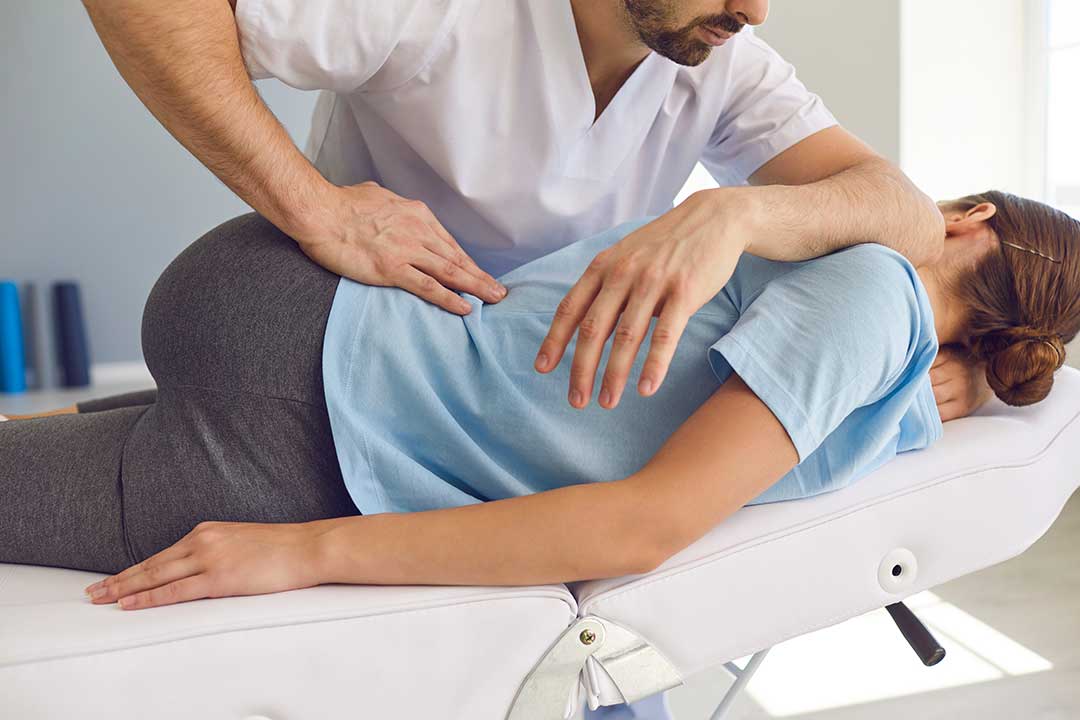
Movement assessment, exercise guidance, and selected hands-on approaches may help some people with musculoskeletal pain, stiffness, or reduced mobility. These approaches are generally most appropriate when they are matched to the diagnosis and combined with active rehabilitation rather than used as a stand-alone cure.
Joint manipulation should not be used to postpone evaluation of a hot, severely swollen, unstable, or rapidly worsening joint. It is also not a treatment for the immune-system activity that drives rheumatoid arthritis. People with suspected inflammatory arthritis may need timely medical assessment and medication to prevent joint damage. ([nccih.nih.gov](https://www.nccih.nih.gov/health/rheumatoid-arthritis-in-depth?utm_source=openai))
A useful question is whether a proposed approach improves walking, strength, range of motion, sleep, or daily function over time—not simply whether it provides brief relief immediately afterward.
When should joint inflammation be evaluated promptly?
Seek urgent medical attention for:
- A suddenly swollen, hot, intensely painful joint
- Fever or chills along with joint pain
- Inability to bear weight or use the joint
- A joint problem after a significant fall or collision
- New weakness, numbness, or loss of coordination
- Symptoms that are rapidly worsening
A non-urgent evaluation is also sensible when morning stiffness lasts longer than usual, several joints become swollen, symptoms repeatedly return, or pain interferes with sleep and normal activities. Rheumatoid arthritis and other inflammatory conditions can require early treatment to reduce the risk of lasting damage.
For many residents, the most sustainable approach is a combination of gradual movement, adequate recovery, balanced nutrition, sensible use of heat or cold, and careful evaluation of supplements. Natural strategies can support joint health, but they work best when the underlying cause of the inflammation is understood.
