

As families across Colonie, NY prepare their children for another busy school year, many parents focus on school supplies and schedules, but seldom pay equal attention to a crucial issue: the weight of their children’s backpacks. In our active suburban community, where sports, after-school activities, and academic achievement are highly valued, ensuring that kids stay healthy starts with something as simple—and overlooked—as the backpacks they carry every day.
Why Backpack Weight Matters
Children are in a critical phase of musculoskeletal growth. Excessive backpack weight has become a concern for pediatricians, chiropractors, and parents alike. Studies show that overloaded or improperly worn backpacks can lead to:
- Back, neck, and shoulder pain
- Poor posture and spinal misalignment
- Headaches and fatigue
- Long-term musculoskeletal problems
For children walking to school on the picturesque sidewalks of Colonie, or catching the school bus at busy Lisha Kill road, the daily strain can add up quickly.
How Heavy is Too Heavy?
A general guideline recommended by the American Chiropractic Association is that a child’s backpack should not exceed 10-15% of their body weight. For example, a 70-pound child should carry no more than 7 to 10.5 pounds. Yet, research finds the average child’s backpack often exceeds these limits—especially when loaded with textbooks, Chromebooks, supplies, gym clothes, and lunches.
Signs Your Child’s Backpack is Too Heavy
If you notice any of the following signs, it may be time to rethink what your child carries:
- Complaints of pain or fatigue after school
- Red marks or indentations on the shoulders
- Forward-leaning posture while walking
- Struggling to put the backpack on or off
- Dragging the backpack on the ground
In Colonie, where children might walk longer distances between neighborhoods and schools—such as to Saddlewood Elementary or Sand Creek Middle School—the impact of these signs can be magnified.
The Long-Term Impact on Health
Chronic backpack-induced strain can lead to muscle imbalances, joint inflammation, or conditions such as scoliosis. These issues can affect not only the spine, but also hips, knees, and feet. Over time, this may compromise a child’s ability to participate in sports and physical activities so important to Colonie’s active youth culture, from Little League baseball to local soccer leagues at the Ciccotti Center.
Tips for Choosing and Packing the Right Backpack
To protect your child’s health, consider the following tips when shopping for or organizing a backpack:
- Choose the Right Size: The backpack should fit snugly to the child’s back and not sag below the waistline.
- Opt for Wide, Padded Straps: Thin straps can dig into shoulders and restrict circulation.
- Look for Back Padding: A padded back protects against sharp edges inside the bag.
- Use Multiple Compartments: Spreading the load distributes weight more evenly.
- Limit Weight: Regularly clean out unnecessary items from the backpack.
- Pack Heaviest Items Closest to the Back: This helps reduce strain and maintain better posture.
- Encourage Two-Strap Use: Using both shoulder straps keeps weight balanced.
Backpack Safety Tips for Colonie Families
Considering the unique local routines in Colonie, here are some practical strategies for families:
- Set a Backpack Weigh-In Day: Make it a routine, perhaps every Sunday, to check the backpack’s weight before the school week.
- Leverage Digital Resources: Where possible, advocate for digital textbooks or classroom sets so children don’t have to transport heavy books daily.
- Coordinate with Teachers: Use online school portals, common in South Colonie or North Colonie Central School Districts, to keep track of necessary materials each day.
- Carpooling Assistance: If your child must bring extra items occasionally—like for a science project or sports after school—arrange a carpool or drop-off to lighten the load on those days.
When to Seek Help
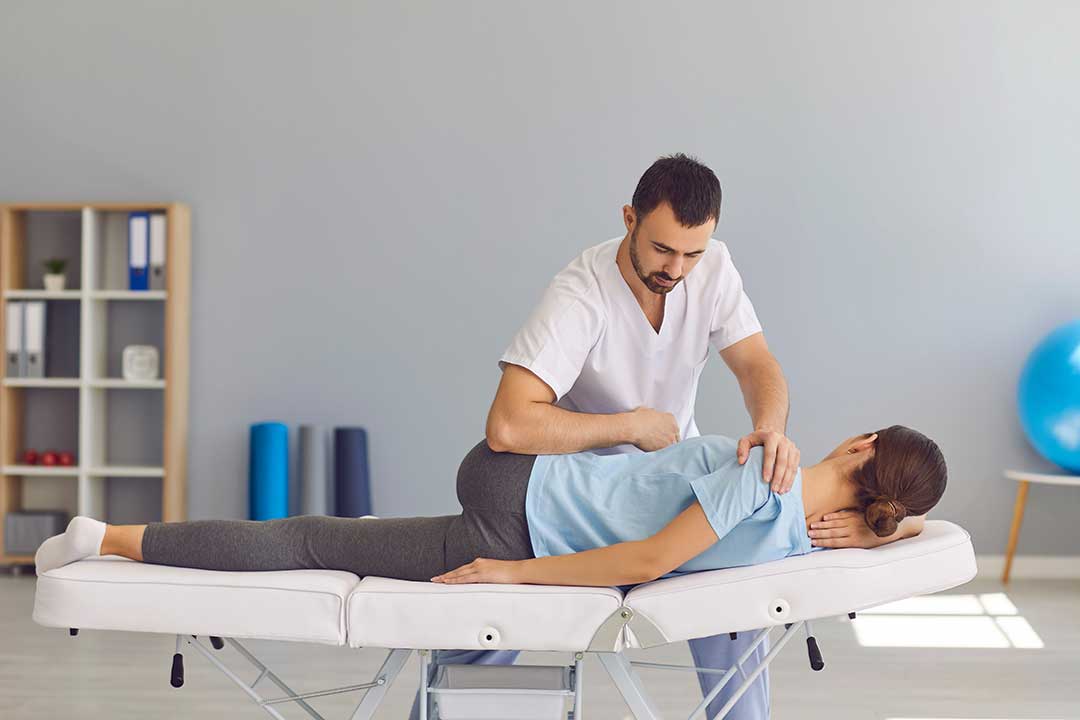
If your child frequently experiences back pain, tingling, or numbness, or you notice obvious posture changes, consult a qualified health professional. As a chiropractor in Colonie, I often work with families to address these concerns, offering posture screening, ergonomic tips, and guidance on proper stretching exercises that fit into busy family routines. Early intervention helps prevent small aches from becoming serious, lifelong issues.
Encouraging Healthy Lifestyle Habits
Promoting awareness and proactive habits around backpack safety is part of fostering overall wellness. Encourage your child to:
- Stand tall and use both backpack straps, setting a positive example among peers.
- Take regular “stretch breaks” after getting home from school.
- Participate in core-strengthening activities available locally, such as aquatics at The Crossings or yoga classes at neighborhood gyms.
Conclusion
Backpack weight isn’t just a minor inconvenience—it’s a meaningful factor in your child’s present comfort and long-term health. In Colonie’s family-focused, active community, protecting young backs means paying attention to backpack ergonomics, weight, and daily habits. Small adjustments today can make a significant difference for a lifetime of healthy movement.
For more guidance or concerns about your child’s posture or spinal health, don’t hesitate to reach out to a local chiropractor who understands the specific needs and lifestyle of Colonie families.
