

Can Chiropractic Care Influence Digestive Health?
Some residents in Colonie, NY experience digestive issues and wonder whether chiropractic care could offer any benefit. While chiropractic treatments are most well-known for addressing musculoskeletal problems, there is ongoing curiosity about their potential impact on broader aspects of health, including digestion. Research does not provide definitive proof that chiropractic care directly treats digestive conditions, but there are reasonable explanations for why some individuals notice changes in digestive comfort following spinal adjustments.
How Could Spinal Health and Digestion Be Connected?
Chiropractors focus on the spine because the spine protects the nervous system, which helps regulate many bodily processes—including digestion. The nerves that communicate between the brain and digestive organs exit the spinal cord in the mid-back and lower-back regions. The idea is that spinal misalignments, or what chiropractors call "subluxations," could disrupt nerve flow, leading to problems with gut motility or communication between the brain and digestive tract.
- The digestive tract relies on signals from the autonomic nervous system, which can be affected by tension or irritation in spinal nerves.
- Some people report improved digestive comfort (such as less bloating or changes in bowel habits) after addressing postural issues or spinal restrictions.
However, these effects are not guaranteed, and improvements may also be influenced by changes in stress levels, physical activity, or other health habits that sometimes accompany care.
What Common Digestive Complaints Do Residents Have?
Residents in the area may seek information or relief for a variety of common digestive issues:
- Occasional heartburn, often linked with local dietary traditions or stress
- Constipation or irregularity, which can be influenced by hydration and seasonal activity levels
- Feelings of bloating, especially in periods of hot or cold weather when dietary changes occur
While some individuals are interested in alternative approaches like chiropractic care, it’s essential to recognize that evidence supporting chiropractic as a primary solution for chronic digestive disease is limited.
Is Chiropractic Care a Replacement for Gastrointestinal Medical Treatment?
Chiropractic care is not a substitute for medical evaluation of persistent digestive symptoms. Chronic heartburn, unexplained weight loss, blood in the stool, or severe abdominal pain should always be discussed with a primary care provider or gastroenterologist in Colonie, NY. Chiropractors do not diagnose or cure gastrointestinal diseases; their focus is on supporting spinal health, which may indirectly affect overall well-being.
If you are already under care for diabetes, irritable bowel syndrome, Crohn’s disease, or similar conditions, any complementary treatment—including spinal adjustments—should be coordinated with your existing healthcare plan.
What Does the Research Say About Chiropractic and Digestion?
Scientific studies on this topic remain limited and mixed. Some small case reports describe people experiencing relief from symptoms like constipation or reflux after chiropractic care. Larger, controlled studies are lacking, and most evidence is anecdotal. This means that individual experiences may vary, and current findings do not allow for broad claims about effectiveness.
The most agreed-upon benefit of chiropractic treatment is improved mobility and decreased pain from muscle and joint problems. Any improvement in digestive symptoms may be secondary or related to reduced pain and improved stress management.
Are There Practical Steps Colonie Residents Can Take for Digestive Health?
While exploring chiropractic care or other supportive therapies, area households often benefit from addressing the basics of digestive health:
- Drinking adequate water throughout the day, especially during hot and dry seasons
- Including fiber-rich fruits, vegetables, and grains in their meals
- Scheduling time for movement, walks, or gentle exercise—even in colder weather
- Managing stress, which can impact digestive function
Some people find that regular routines, such as set meal times or consistent physical activity, support more predictable digestion.
What Should People Expect if They Try Chiropractic Care for Digestive Issues?
If someone in the community chooses to visit a chiropractor with digestive concerns, the practitioner will usually:
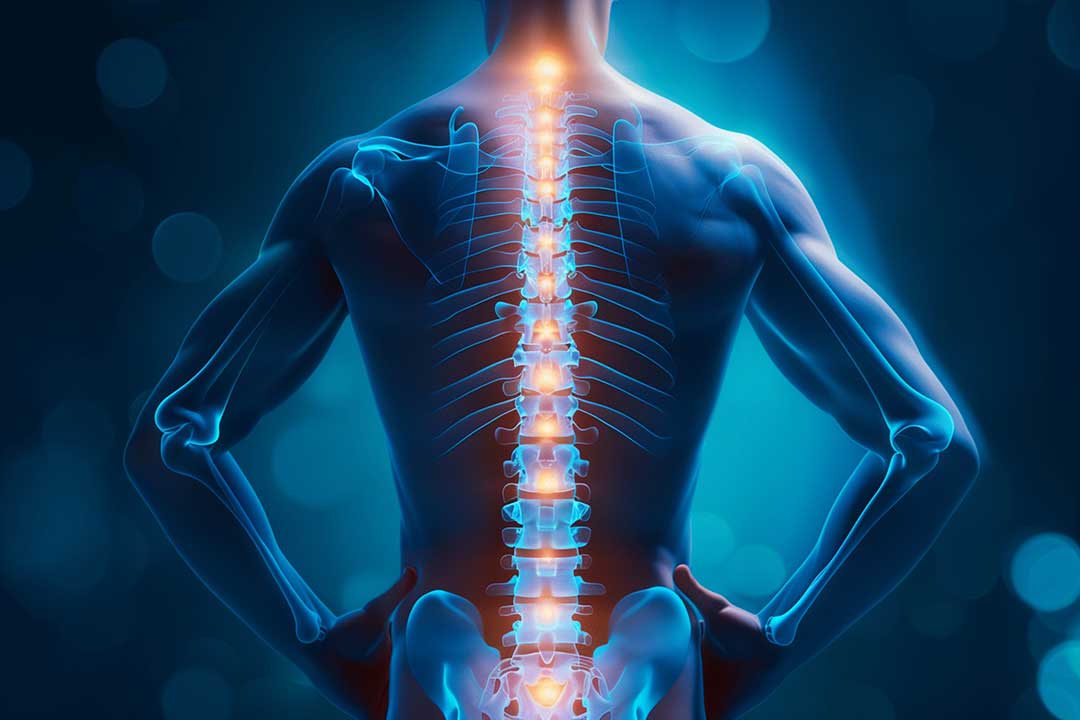
- Perform a health history and spinal examination
- Ask about diet, lifestyle, recent stress, and medical history
- Discuss realistic expectations, emphasizing that any digestive changes should be monitored and reported to a physician for ongoing or serious issues
Chiropractic adjustments—if recommended—focus on restoring joint mobility in the spine and reducing nervous system irritation. Some people report feeling more relaxed or experiencing temporary changes in their digestive patterns. However, results can differ widely, and no specific digestive response should be expected universally.
What Are Common Misconceptions About Chiropractic and Digestion?
A few myths sometimes circulate in the community:
- That chiropractic adjustments can "cure" digestive diseases — This is not supported by robust evidence.
- That improvement is guaranteed — Individual responses vary and may be unrelated to treatment.
- That only spinal health influences digestion — Many lifestyle and medical factors contribute.
Separating hope from hype helps residents make informed choices about their health.
When Should Digestive Symptoms Be Taken Seriously?
Even if considering complementary options, residents are encouraged to seek medical care promptly for:
- Sudden or severe abdominal pain
- Ongoing vomiting or diarrhea
- Unexplained weight loss, fatigue, or blood in the stool
These symptoms may signal conditions requiring prompt medical evaluation.
Chiropractic care can be part of a broader approach to wellness for some individuals, but is not a standalone solution for serious digestive complaints.
